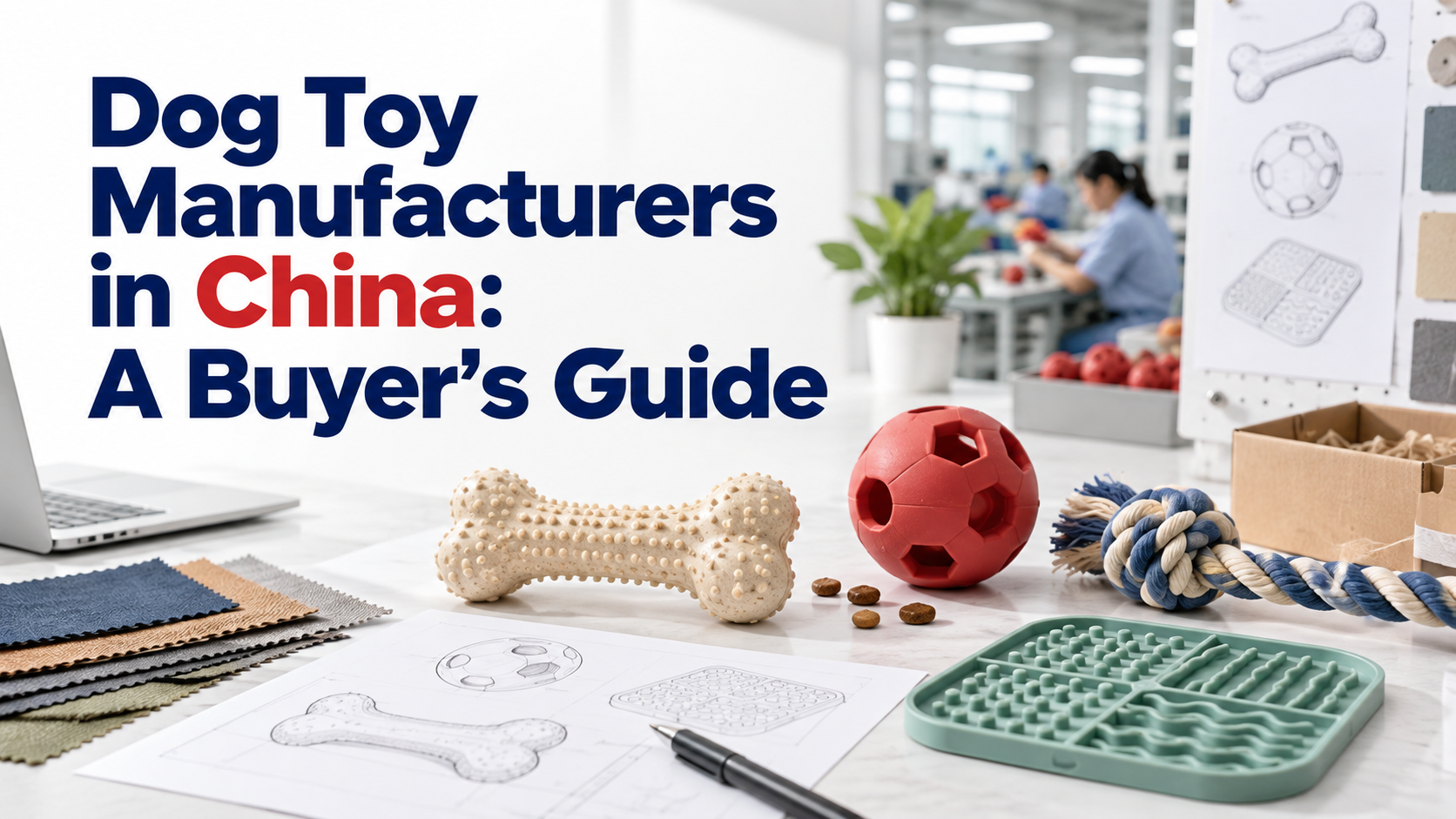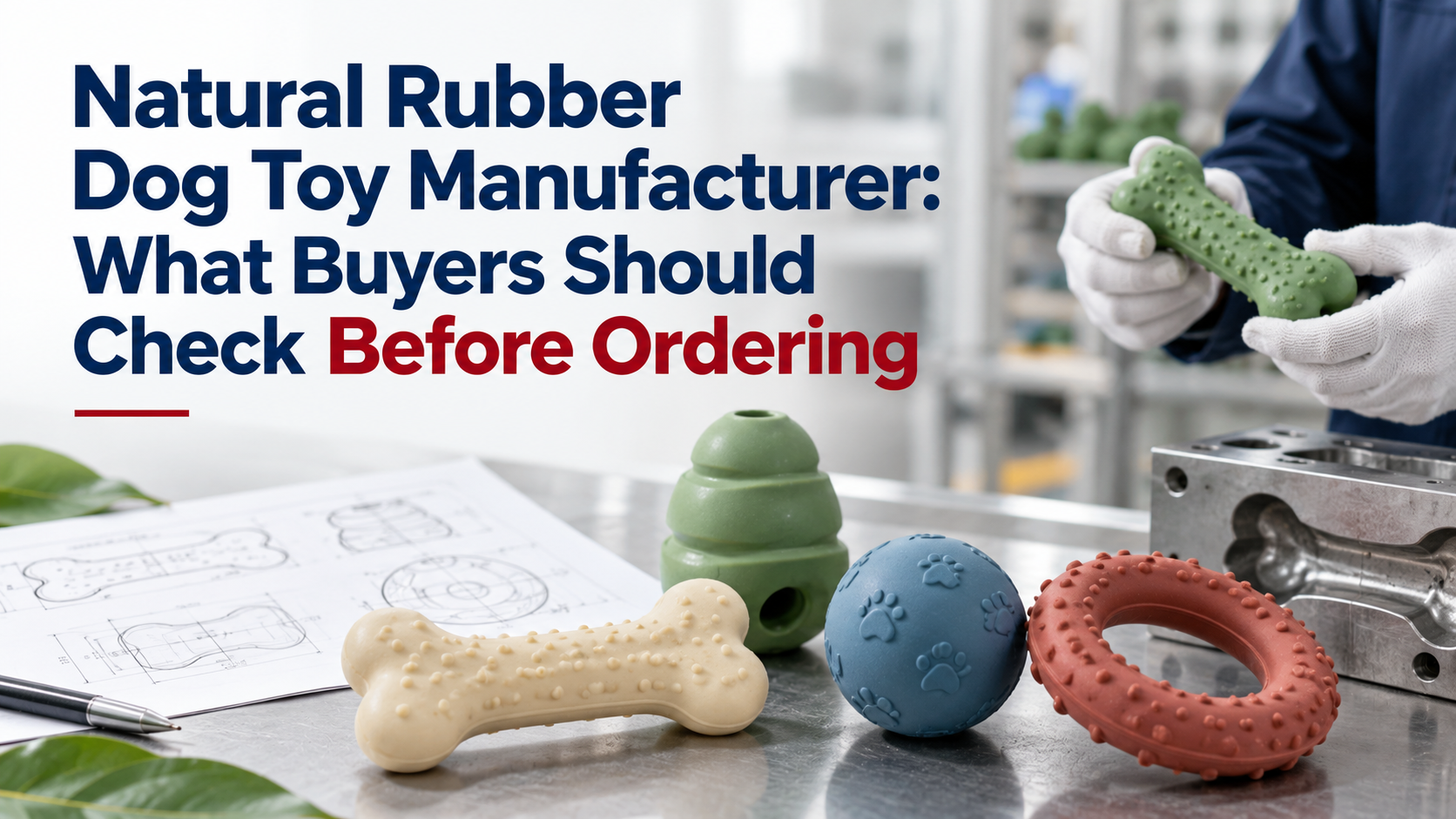
Choosing a natural rubber dog toy manufacturer requires more than comparing product photos, unit prices, and minimum order quantities. For pet brands developing chew toys, treat dispensers, rubber balls, tug

How Pet Brands Can Build a Slow Feeding Product Line in 2026
Slow feeding is no longer just a single bowl category. For pet brands, wholesalers, and private-label buyers, it can become a complete product line that includes silicone slow feeder bowls, dog lick mats, 2-in-1 enrichment feeders, feeding mats, travel-friendly feeding products, and matching retail packaging.
In 2026, pet owners are paying more attention to practical value. They want products that solve real daily problems, such as fast eating, messy feeding, boredom, cleaning difficulty, and feeding routine management. For pet brands, this means a successful slow feeding product line should not only look attractive. It should also be functional, easy to use, easy to clean, suitable for different pets, and ready for retail presentation.
This guide explains how pet brands can build a slow feeding product line from product planning to customization, packaging, and mass production.
Why Pet Brands Should Build a Slow Feeding Product Line
A single slow feeder bowl can be useful, but a product line creates stronger brand value.
When a brand offers different feeding solutions for different pet sizes, food types, and usage scenarios, customers can better understand the brand’s product logic. Retailers also have more options to display, bundle, and promote.
A slow feeding product line can help brands:
- Cover more pet sizes and feeding habits
- Create a more complete retail shelf story
- Increase average order value through product sets
- Offer private-label colors and packaging
- Build a stronger brand identity
- Reduce reliance on one single product
- Support repeat purchasing and seasonal launches
For example, a brand can start with one silicone slow feeder bowl, then expand into a lick mat, a feeding mat, and a 2-in-1 enrichment feeder. This gives customers more choices while keeping the product category focused.
What Should Be Included in a Slow Feeding Product Line?
A practical slow feeding product line does not need to be too complicated at the beginning. The key is to build around real feeding use cases.
A recommended line can include:
| Product Type | Main Function | Best For |
|---|---|---|
| Silicone slow feeder bowl | Slows daily meals through maze patterns | Fast eaters and daily feeding |
| Silicone lick mat | Supports licking, calming, and enrichment | Soft treats, grooming distraction, slower snacking |
| 2-in-1 slow feeder and lick mat | Combines slow feeding and enrichment | Premium feeding collections |
| Silicone feeding mat | Keeps feeding area cleaner | Bowl sets and private-label bundles |
| Travel feeding bowl | Supports outdoor and travel use | Portable pet product lines |
For a new brand, it is usually better to start with a small but clear line instead of launching too many random products. A focused product line is easier to explain, easier to package, and easier to promote.
Start with a Core Slow Feeder Bowl
The core product of the line should usually be a silicone slow feeder bowl.
This product is easy for customers to understand and suitable for daily use. It can also serve as the foundation for future product expansion.
When developing a slow feeder bowl, brands should confirm several key design details:
- Bowl size
- Maze depth
- Food capacity
- Silicone hardness
- Base stability
- Rim height
- Cleaning convenience
- Logo position
- Packaging format
- Target pet size
The design should match the intended pet group. A bowl for small dogs or cats should not use the same structure as a bowl for large dogs. Small pets usually need lower maze patterns and easier food access, while larger dogs may need higher capacity and a more stable base.
Add Lick Mats for Enrichment Feeding
After the core slow feeder bowl, the next useful product is a silicone lick mat.
Lick mats are different from slow feeder bowls. They are usually designed for spreadable treats, soft food, yogurt-style snacks, peanut butter, wet food, or calming routines. They can also be used during grooming, bathing, nail trimming, or daily enrichment activities.
For brands, lick mats are valuable because they expand the product line from “feeding control” into “enrichment and calming.”
Important design points include:
- Texture depth
- Texture pattern
- Suction cup layout
- Mat thickness
- Edge design
- Cleaning difficulty
- Food residue control
- Packaging method
Texture depth should be carefully selected. If the texture is too shallow, it may not hold enough food. If it is too deep, cleaning becomes harder. A good lick mat should balance enrichment value and easy cleaning.
Develop 2-in-1 Enrichment Feeding Products
A 2-in-1 product combines slow feeding and lick mat functions in one design.
This type of product can include a maze feeding zone on one side and a textured licking area on the other side. It gives the product stronger retail value because it solves more than one problem.
For example, one product can support:
- Dry food slow feeding
- Wet food enrichment
- Spreadable treat licking
- Portion control
- Calming routines
- Daily interactive feeding
However, 2-in-1 products need more careful design. If the layout is too crowded, it may become hard to clean. If the product is too large, packaging and shipping costs may increase. If the zones are not clearly divided, customers may not understand how to use the product.
For private-label brands, a 2-in-1 feeder works best when the packaging clearly explains the function of each area.
Use Feeding Mats to Create Product Sets
A silicone feeding mat is a useful supporting product in a slow feeding line.
It helps keep the feeding area cleaner and can be bundled with bowls or lick mats. It also gives brands an easier way to create matching product sets.
A feeding mat can be designed with:
- Raised edges
- Anti-slip surface
- Matching color with bowls
- Logo area
- Easy-clean surface
- Different sizes for different pet bowls
For retail brands, a bowl and mat set can look more complete than a single bowl. It can also support higher perceived value.
A simple product line could be:
- Small slow feeder bowl + small feeding mat
- Medium slow feeder bowl + medium feeding mat
- Lick mat + feeding mat
- 2-in-1 feeder + matching mat
This kind of product structure is easier to promote as a full mealtime solution.
Plan the Product Line by Pet Size
Pet size is one of the most important factors in slow feeding product development.
A product line should not rely on one universal size unless the brand is intentionally keeping the line very simple. Different pets need different capacities, maze depths, and base stability.
| Target Pet Group | Product Design Direction |
|---|---|
| Cats and small dogs | Lower bowl height, shallow maze, smaller food pockets |
| Medium dogs | Balanced bowl capacity, medium maze depth, stable base |
| Large dogs | Larger capacity, wider base, stronger anti-slip design |
| Puppies | Softer edges, easier access, shallow feeding pattern |
| Multi-pet households | Practical medium size and easy-clean design |
For brands, two or three sizes are often more practical than one universal design. This helps customers choose the right product and reduces negative reviews caused by size mismatch.
Plan the Product Line by Food Type
Different food types require different structures.
Dry kibble, wet food, soft treats, frozen treats, and mixed feeding do not behave the same way inside a bowl or mat.
| Food Type | Recommended Product Direction |
|---|---|
| Dry kibble | Slow feeder bowl with maze channels |
| Wet food | Shallow maze or easy-clean lick tray |
| Spreadable treats | Lick mat with textured zones |
| Mixed feeding | 2-in-1 feeder with divided areas |
| Frozen treats | Flexible silicone mat or tray |
Brands should test products with real food during sampling. Testing only with water or visual inspection is not enough. Real food testing helps confirm whether the maze is practical, whether food gets trapped, and whether the product is easy to clean after use.
Balance Maze Depth and Cleaning
Maze depth is one of the most important design factors in a slow feeder bowl.
A deeper maze can slow feeding more effectively, but it may also make the product harder to clean. A shallow maze is easier to use and clean, but it may not provide enough slow feeding effect for fast eaters.
The best choice depends on the target pet and product positioning.
| Maze Depth | Best For | Notes |
|---|---|---|
| Shallow maze | Puppies, cats, small dogs, beginner use | Easier to access food and clean |
| Medium maze | Most daily feeding products | Balanced function and usability |
| Deep maze | Larger dogs and stronger enrichment use | Slower feeding effect, harder cleaning |
| Mixed depth | Premium or multi-function products | Creates different feeding zones |
For a product line, brands can offer different difficulty levels. For example, a starter bowl can use a shallow or medium maze, while a premium enrichment bowl can use a deeper or more complex pattern.
Consider Suction and Anti-Slip Design
Slow feeding products often move during use because pets push against the bowl or mat with their nose and tongue. Stability is important for user experience.
Common stability options include:
- Full silicone anti-slip base
- Suction cups
- Wider bottom design
- Thicker base
- Anti-slip surface texture
- Raised rim design
Suction cups are useful, especially for lick mats and some feeding trays. However, brands should be careful with marketing claims. Suction performance depends on the surface. It usually works better on clean, smooth surfaces and may not perform as well on rough or textured floors.
For products aimed at larger dogs, suction layout and base stability should be tested during sampling.
Choose the Right Silicone Material and Hardness
Food-grade silicone is commonly used for slow feeder bowls, lick mats, and feeding mats because it is flexible, easy to clean, soft-touch, and suitable for molded patterns.
However, not every silicone product should use the same hardness.
A slow feeder bowl usually needs enough structure to hold its shape. A lick mat may need more flexibility. A feeding mat needs to lie flat and resist movement. A travel bowl may need foldability.
| Product Type | Hardness Direction |
|---|---|
| Slow feeder bowl | Medium hardness for balance of structure and flexibility |
| Lick mat | Softer to medium hardness depending on suction design |
| Feeding mat | Medium hardness with stable flatness |
| Travel bowl | Softer flexible silicone for folding |
| 2-in-1 feeder | Medium hardness for structure and daily use |
Final hardness should be confirmed with physical samples. A Shore A value is useful, but actual product feel also depends on wall thickness, structure, and surface texture.
Make the Product Line Look Like One Brand
A product line should not look like unrelated products placed together.
For private-label brands, visual consistency matters. Color, logo, surface style, packaging, and product naming should follow one system.
Useful brand design elements include:
- Consistent Pantone color palette
- Matching bowl and mat colors
- Similar logo placement
- Unified packaging style
- Clear product naming
- Matching instruction cards
- Consistent product photography direction
For example, a brand could create a soft natural color collection for daily feeding, a brighter color collection for enrichment products, and a seasonal collection for gift sets.
The goal is to make customers feel that the products belong to the same brand family.
Packaging Strategy for Slow Feeding Products
Packaging should be planned early, not after production.
For slow feeding products, packaging needs to explain the product clearly. Customers should understand what the product does, which pet size it is suitable for, what food type can be used, and how to clean it.
Common packaging options include:
- Color box
- Paper sleeve
- Hangtag
- Kraft box
- Polybag with label
- Instruction card
- Barcode label
- Retail display packaging
Packaging content may include:
- Product name
- Pet size recommendation
- Food type suggestions
- Cleaning instructions
- Material statement
- Safety notes
- Brand story
- Barcode or QR code
For private-label programs, packaging is a major part of product value. A good package can make a simple product look more professional and retail-ready.
Recommended Starter Product Line for New Brands
For a brand that is entering the slow feeding category for the first time, a compact starter line is usually enough.
A practical starter line can include:
- Small silicone slow feeder bowl
- Medium silicone slow feeder bowl
- Silicone lick mat with suction cups
- Matching silicone feeding mat
- Two or three brand colors
- Basic private-label packaging
This structure gives the brand enough coverage without creating too much inventory pressure.
The small bowl can target cats and small dogs. The medium bowl can target daily dog feeding. The lick mat can support enrichment and calming use. The feeding mat can create bundle opportunities.
Recommended Expanded Product Line for Established Brands
For established pet brands, the product line can be more complete.
An expanded line may include:
- Small, medium, and large silicone slow feeder bowls
- Shallow and medium maze options
- One deeper enrichment bowl
- Multiple lick mat texture designs
- 2-in-1 slow feeder and lick mat tray
- Matching silicone feeding mats
- Travel feeding bowl
- Seasonal color sets
- Retail packaging and barcode system
- Private-label product bundles
This type of line is stronger for retailers, distributors, and online stores that want category depth.
However, brands should still avoid launching too many SKUs without clear logic. Each product should have a defined role.
How to Reduce Development Risk
A slow feeding product line should be reviewed before mold development. This helps avoid repeated sampling and unnecessary mold changes.
Before tooling, buyers should confirm:
- Product line structure
- Target pet sizes
- Bowl capacity
- Maze depth
- Texture design
- Suction layout
- Silicone hardness
- Color plan
- Logo method
- Packaging style
- Testing requirements
- Estimated order quantity
For custom products, the manufacturer should review manufacturability, including wall thickness, demolding, base structure, mold complexity, and cleaning design.
The earlier these details are confirmed, the smoother the project will be.
Common Mistakes Pet Brands Should Avoid
Mistake 1: Launching Only One Size
One size rarely fits all pets. A bowl that is too small for large dogs or too deep for small dogs can create poor user experience.
Mistake 2: Making the Maze Too Complex
A complex maze may look interesting, but if it is difficult to clean, customers may stop using it.
Mistake 3: Changing Only Colors
Color variation is useful, but a real product line should include different functions, sizes, and use cases.
Mistake 4: Ignoring Packaging Early
Packaging affects cost, shipping volume, retail display, barcode planning, and customer education.
Mistake 5: Not Testing with Real Food
Dry kibble, wet food, and spreadable treats behave differently. Samples should be tested with actual food before approval.
Mistake 6: Overpromising Suction Performance
Suction cups do not work equally on every surface. Claims should be based on realistic testing.
RFQ Checklist for Slow Feeding Product Line Development
When requesting a quotation, buyers should prepare clear information. This helps the factory evaluate cost, tooling, sampling, packaging, and production planning.
| RFQ Item | What to Provide |
|---|---|
| Product line scope | Slow feeder bowl, lick mat, 2-in-1 feeder, feeding mat, travel bowl, or full set |
| Target pets | Cats, small dogs, medium dogs, large dogs, puppies, or multi-pet households |
| Design reference | Sketch, photo, sample, existing mold option, or custom concept |
| Size requirement | Diameter, height, capacity, wall thickness, mat size |
| Material requirement | Food-grade silicone, hardness, color, testing needs |
| Function details | Maze depth, suction cups, texture pattern, rim height, cleaning requirement |
| Brand customization | Pantone color, logo method, packaging style, barcode, labels |
| Target market | US, EU, UK, Australia, Japan, or other markets |
| Quantity | Sample quantity and estimated mass production quantity |
| Timeline | Sampling schedule, launch plan, repeat order expectation |
If the buyer is unsure about some details, they can start with target pet size, product reference, and brand positioning. The factory can then suggest a practical product development route.
How Newtop Pets Supports Slow Feeding Product Line Development
Newtop Pets supports pet brands, wholesalers, retailers, and private-label buyers in developing silicone pet feeding products.
Our product range includes:
- Silicone slow feeder bowls
- Dog lick mats
- Silicone feeding bowls
- Silicone placemats
- 2-in-1 enrichment feeding sets
- Custom pet feeding accessories
For slow feeding product line projects, we can support:
- Product structure review
- Maze pattern development
- Texture design suggestions
- Bowl size adjustment
- Silicone material selection
- Hardness recommendation
- Suction layout review
- Logo customization
- Pantone color matching
- Private-label packaging
- Tooling and sampling
- Production quality control
- Repeat production support
Whether you need light customization based on existing designs or a fully custom private mold product line, early communication can help reduce sampling revisions and improve production stability.
Conclusion
A successful slow feeding product line should not be built around one product only. It should combine slow feeder bowls, lick mats, feeding mats, 2-in-1 enrichment feeders, and private-label packaging into a clear and practical product system.
For pet brands in 2026, the opportunity is not just to sell a bowl. The stronger opportunity is to offer a complete feeding and enrichment solution for different pet sizes, feeding habits, and daily routines.
Before starting development, brands should confirm product line structure, target pets, maze depth, food type, silicone hardness, suction design, cleaning performance, packaging, and customization requirements.
Newtop Pets helps brands develop silicone slow feeding products from design review and material selection to tooling, sampling, packaging, and mass production. If you are planning a slow feeding product line, our team can help evaluate your project and recommend a practical manufacturing solution.
FAQ
1. What products should be included in a slow feeding product line?
A slow feeding product line can include silicone slow feeder bowls, dog lick mats, 2-in-1 slow feeder and lick mat products, feeding mats, travel bowls, and bundled feeding sets.
2. Should pet brands launch one slow feeder bowl or a full line?
For early testing, one or two core products may be enough. For stronger retail positioning, a product line with different sizes, textures, and use cases is better.
3. What material is suitable for slow feeder bowls and lick mats?
Food-grade silicone is widely used because it is flexible, easy to clean, soft-touch, and suitable for molded maze and texture designs.
4. How many sizes should a slow feeder bowl line include?
A practical line can start with small and medium sizes. Established brands may add a large size to cover bigger dogs and larger meal portions.
5. Are lick mats part of the slow feeding category?
Yes. Lick mats support slower snacking, enrichment, calming routines, and grooming distraction. They are a useful extension of a slow feeding product line.
6. What is the difference between a slow feeder bowl and a lick mat?
A slow feeder bowl is mainly used for dry or mixed meals and uses maze patterns to slow eating. A lick mat is usually used for spreadable treats, wet food, or enrichment licking.
7. Can slow feeding products be customized for private-label brands?
Yes. Custom options include product shape, size, maze pattern, texture depth, suction cups, silicone hardness, Pantone color, logo, packaging, barcode, and retail labels.
8. What should buyers confirm before opening a mold?
Buyers should confirm product type, target pet size, bowl capacity, maze depth, texture layout, suction structure, silicone hardness, color, logo, packaging, testing needs, and estimated quantity.
9. How can brands make slow feeding products look less generic?
Brands can build a consistent product system through custom patterns, matching colors, logo placement, packaging design, product naming, and bundled sets.
10. Can Newtop Pets help develop a complete slow feeding product line?
Yes. Newtop Pets can support product structure review, material selection, tooling, sampling, logo customization, Pantone color matching, packaging, quality control, and mass production for silicone pet feeding products.