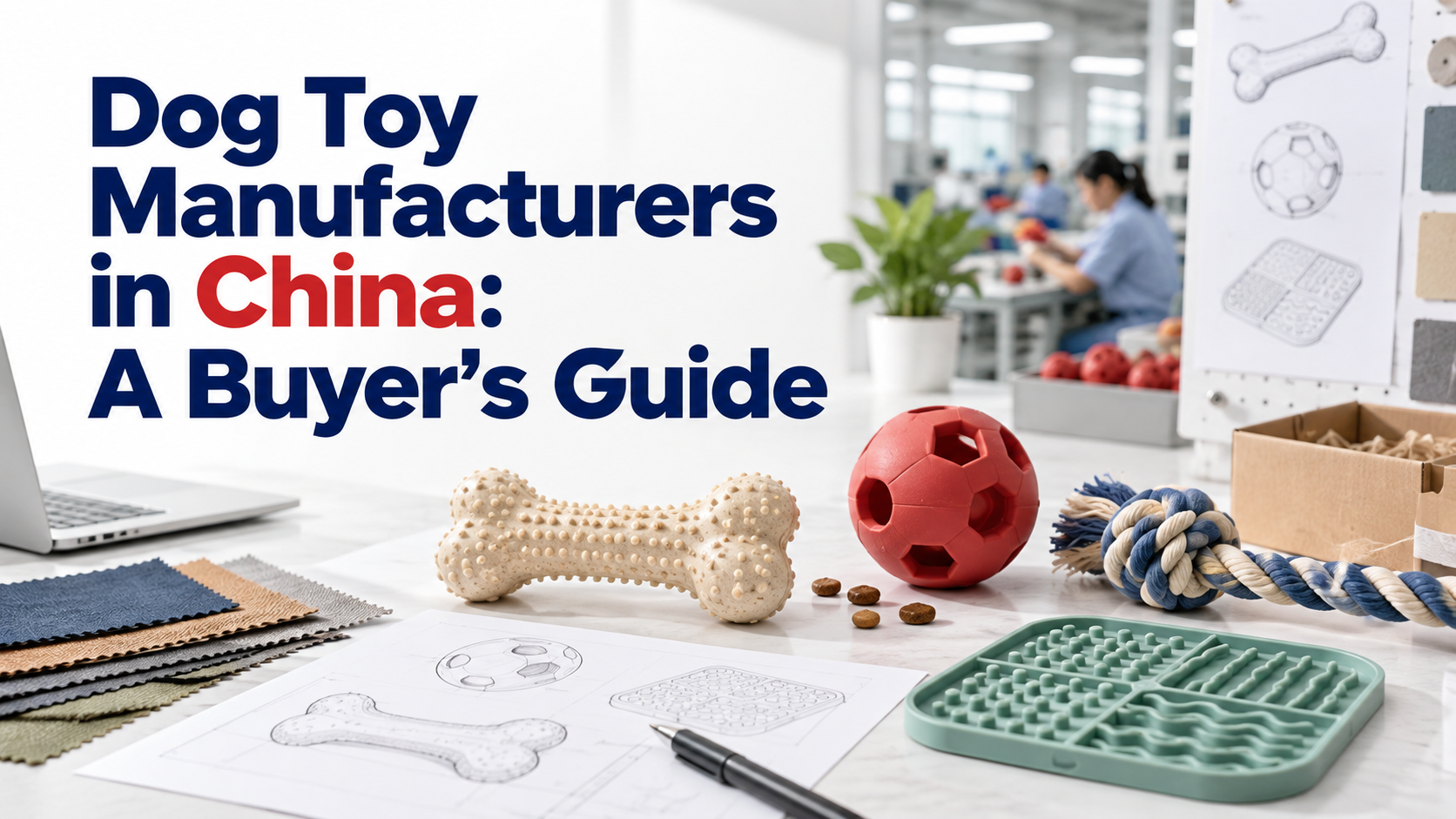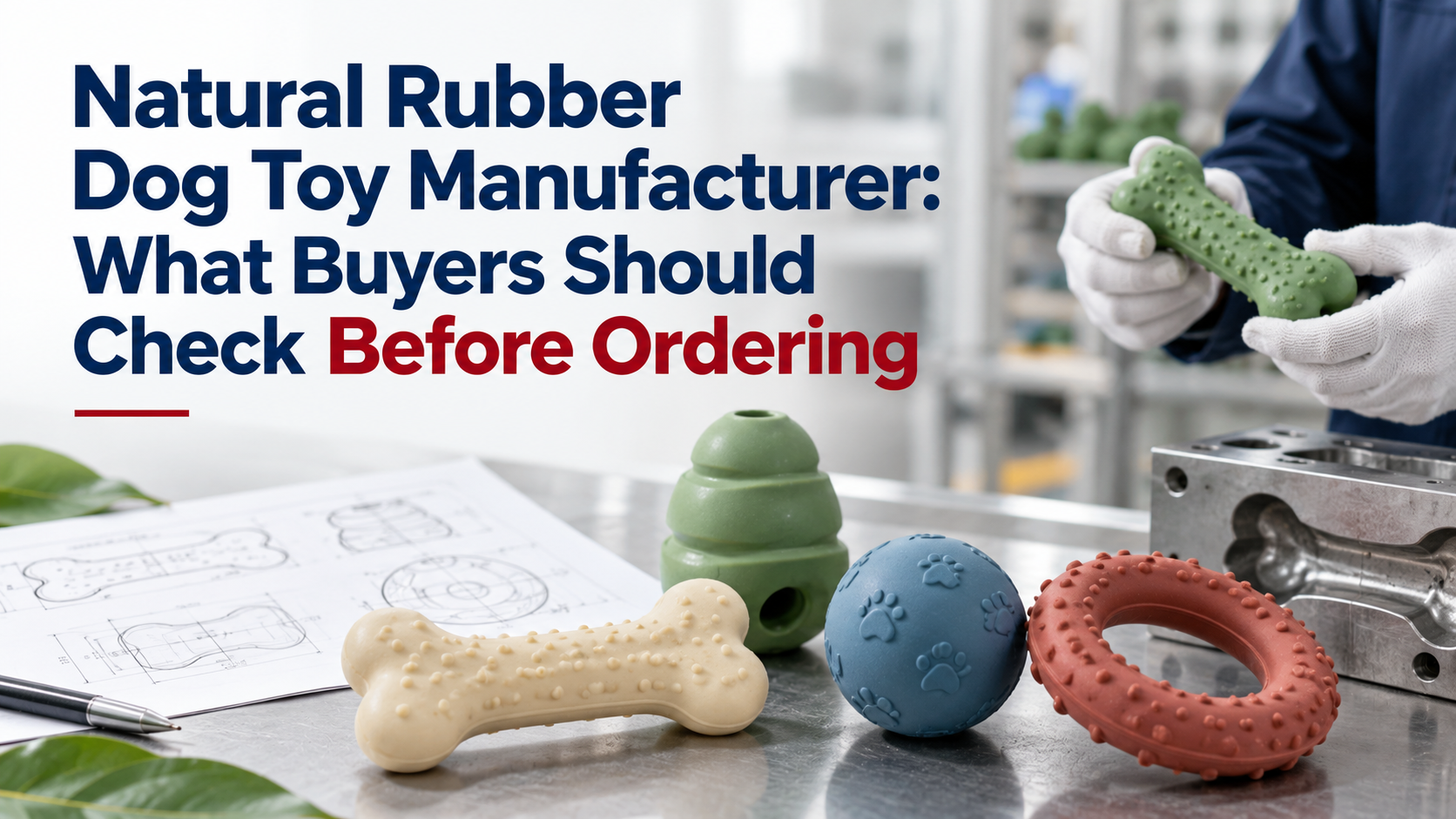
Choosing a natural rubber dog toy manufacturer requires more than comparing product photos, unit prices, and minimum order quantities. For pet brands developing chew toys, treat dispensers, rubber balls, tug

Rubber Chew Toy Trends 2026: Innovations, Consumer Preferences, and Market Shifts
As we enter 2026, rubber chew toys for dogs are experiencing a surge of innovation and evolving demand. The pet industry is enormous – over 67% of U.S. households now own a pet, and pet-related spending exceeds $136 billion annually – and within this market, chew toys have become a dynamic segment. Dog owners today expect more from a simple “chew toy.” They seek products that are not only durable and safe, but also deliver added benefits like mental stimulation, dental care, and even environmental sustainability. This blog post explores the latest trends in rubber chew toys, focusing on cutting-edge product innovations, shifting consumer preferences, and key market developments shaping this category in 2026.
 A dog enjoys a durable rubber chew toy. In 2026, pet owners increasingly seek chew toys that are safe, long-lasting, and offer added health or enrichment benefits.
Market Overview: Growth Fueled by Premiumization and Pet “Parenting”
Pet owners’ relationship with their dogs has evolved – many consider themselves pet “parents” and treat their dogs as family. This humanization of pets drives demand for high-quality chew toys that combine safety, durability, and enrichment value. Consumers are willing to invest in premium products that keep their pets happy and healthy. As a result, the rubber dog toys market has been growing steadily. It expanded from about $89 million in 2025 to $99 million by 2026, and is projected to reach $120 million by 2032 (a 4.4% CAGR). This growth reflects consistent consumer demand and dynamic product innovation in the category.
Notably, rubber toys dominate the chew toy segment due to their durability and safety advantages. Rubber chew toys are highly preferred – especially for strong chewers – because quality rubber withstands intense gnawing without breaking apart, reducing the risk of choking hazards. In fact, material analysis shows rubber is the largest and most important segment of pet chew toys, thanks to its versatility and toughness. These market dynamics underscore a broader trend of premiumization: pet owners are seeking out safer, innovative designs with performance-driven features, even at higher price points. In short, they want chew toys that deliver more value than the old-fashioned rawhide bone.
Innovations in Design: Interactive, Enriching, and Multi-Functional Toys
Today’s rubber chew toys are a far cry from basic chew bones of the past. Manufacturers are introducing innovations in design to engage dogs both mentally and physically. Some of the notable design trends include:
- Treat-Dispensing & Puzzle Toys: One of the biggest trends is chew toys that double as puzzle feeders or treat dispensers. These toys can be stuffed with kibble or treats, challenging dogs to work for their reward and keeping them occupied longer. Interactive treat-dispensing toys have exploded in popularity, with this niche growing from about $245 million in 2025 to $271 million in 2026, and projected to reach $485 million by 2032 (over 10% annual growth). The appeal is clear: by combining play with a food reward, these toys provide mental stimulation and help relieve boredom. As one industry report notes, brands are adapting to demand for “smarter, safer, and more outcome-focused enrichment tools” in this space.
- Textured Dental Chew Toys: Many rubber toys now feature textured surfaces, ridges, or nubs that help clean a dog’s teeth and gums as they chew. These designs turn playtime into a dental hygiene session – gently scraping away plaque and tartar buildup. With veterinary experts estimating that over 80% of dogs develop dental disease by age 3, pet owners increasingly seek toys that can improve oral health. Modern dental chew toys often incorporate special textures (and even safe dental additives) to boost their tooth-cleaning ability. This innovation addresses a key consumer concern: pet health and wellness. By choosing rubber chew toys that promote dental hygiene, owners can help prevent gum disease and bad breath in their dogs while the pups happily gnaw away.
- Durable “Power Chewer” Toys: Durability remains a top priority, especially for owners of large breeds or aggressive chewers. Innovations in materials science – such as tougher natural rubber compounds and new elastomer blends – have led to chew toys that can withstand heavy use without tearing. These toys are designed to be long-lasting to satisfy dogs’ natural urge to chew, while avoiding the breakage and choking risks associated with weaker toys. The trend towards premium, heavy-duty chew toys reflects how manufacturers are emphasizing performance and safety. Many brands now advertise toys as “indestructible” or “for power chewers,” indicating the focus on extreme durability for this segment.
- Tech-Enabled and Smart Toys: Although still an emerging niche, some companies are experimenting with tech integration in dog toys. Concepts include rubber chew toys that contain sensors or electronic components to make play more interactive. For example, a chew toy might sync with a smartphone app or make automated movements/sounds to engage a dog. Industry analysts see tech-enabled toys with sensors or interactive features as a future growth opportunity to better engage pets. While these smart chew toys are not yet mainstream, they signal the direction of innovation – blending traditional rubber toys with modern technology to create new forms of enrichment.
- Multi-Purpose Designs: Rubber chew toys now often serve multiple functions. A single toy might be used for chewing, fetching, tug-of-war, and even treat-hiding. By combining features – for instance, a rubber ball that squeaks and also has treat pockets, or a chew stick that doubles as a retrieval toy – manufacturers increase a product’s versatility. This appeals to consumers by offering more value in one product and catering to different play styles. It also aligns with the idea of “enrichment outcomes” for pets; a well-designed toy can provide exercise, mental challenge, and oral care all at once. The category breakdown shows chew toys branching into subtypes like fetch toys, squeaky toys, and tug toys, often made of rubber for strength. This diversification means retailers can stock a broad range of rubber toys targeting specific uses (e.g. teething toys for puppies, training toys for service dogs, etc.) without sacrificing durability.
Overall, innovation in rubber chew toys is about enhancing engagement and functionality. By making toys interactive, mentally stimulating, and multi-functional, companies are meeting pet owners’ rising expectations. These designs turn a simple chew session into a richer experience that can challenge a dog’s mind, clean its teeth, or reward its play – a clear upgrade from yesterday’s chew toys.
Health and Wellness Focus: Dental Care and Safer Chewing
Another major driver of chew toy trends is the focus on pet health and wellness. Dog owners and veterinarians alike now recognize that the right chew toys can contribute to a dog’s physical and mental health. Two areas stand out: dental care and overall safety.
Dental Health Benefits: As mentioned, textured rubber chew toys that clean teeth are in high demand. Pet dental care has become a vital consideration – with so many dogs prone to gum disease, owners appreciate toys that can help reduce plaque and tartar naturally. These dental chew toys often have grooves, bumps, or bristles molded into the rubber. As the dog chews, the textures act like a toothbrush, scraping off plaque and massaging the gums. Some even contain infused dental agents (like baking soda or enzymes) to enhance tooth cleaning. While these toys are not a substitute for regular teeth brushing or vet cleanings, they are a convenient way to improve daily oral hygiene. Veterinarians encourage their use – many vet clinics recommend dental chew toys as part of at-home care, since they promote gum stimulation and can help dislodge plaque between professional cleanings. For retailers and product developers, highlighting the dental benefits of chew toys can be a strong selling point to health-conscious pet owners.
Teething and Therapeutic Chewing: Chew toys also play a therapeutic role for certain life stages and behaviors. For teething puppies, softer rubber chew toys provide relief by soothing sore gums as new teeth come in. Toys designed for teething often use slightly softer, puppy-safe rubber and can be chilled or frozen to add extra numbing relief. On the other end of the age spectrum, senior dogs may need gentler chew toys that massage gums without damaging aging teeth. Additionally, chewing is known to relieve stress and anxiety in dogs – it’s a natural, self-soothing behavior. Providing appropriate chew toys can help nervous or high-energy dogs channel their stress in a positive way. Some modern rubber toys are even marketed with calming claims (e.g. promoting relaxation through chewing). The key is that chewing fulfills instinctual needs for dogs: it expends energy, combats boredom, and can reduce destructive behaviors. By developing chew toys targeted at these needs (for example, durable chew toys for anxiety or boredom-busting treat puzzles), companies tap into the growing trend of viewing pet products as part of a dog’s overall wellness regimen.
Safety and Non-Toxic Materials: With greater awareness of pet health, consumers are also scrutinizing the safety of materials used in chew toys. There have been concerns in the past about low-quality toys containing harmful chemicals (like phthalates, BPA, or lead) or easily splintering into choke hazards. In response, the industry is shifting firmly toward non-toxic, well-tested materials and sturdier construction. High-end rubber chew toys today are typically made from natural or food-grade rubber compounds that avoid hazardous additives. Regulatory standards are tightening as well – manufacturers are expected to comply with safety regulations on chemical content and labeling accuracy. This has increased production costs, but it’s a necessary adjustment as informed customers will reject toys that seem even remotely unsafe. Indeed, many pet owners now prefer premium toys certified for safety (for example, those that are veterinarian-approved or meet children’s toy safety standards). The trend is clear: safety and quality are non-negotiable. Rubber chew toys are being engineered to resist breakage (preventing small pieces from tearing off) and to use only pet-safe dyes and materials. This focus not only protects pets, but also builds trust with consumers. Professionals in the pet product industry are finding that investing in safer designs and obtaining third-party safety certifications can be a competitive advantage in 2026’s market.
Sustainability and Eco-Friendly Materials
Across the pet industry, a wave of sustainability is influencing product development – and chew toys are no exception. Eco-friendly rubber toys have emerged as a significant trend, aligning with consumers’ environmental values. Pet owners are increasingly seeking out toys that are biodegradable, made from natural or recycled materials, and produced by companies with green practices.
One major shift is the use of natural rubber and other bio-based materials in place of synthetic rubber or plastics. Natural rubber (derived from rubber tree latex) is renewable, biodegradable, and free from harmful chemicals, making it an attractive material for eco-conscious pet products. It also retains the desirable qualities of durability and flexibility, so dogs don’t sacrifice play quality. Many new chew toys are being marketed as “natural rubber” toys – highlighting that they will eventually break down in the environment, unlike traditional plastic toys. Similarly, some manufacturers are blending rubber with plant-based fibers or components (such as bamboo, rice husk, or hemp) to create chew toys that can safely decompose over time. For example, there are chew toys on the market made of composite materials where rubber is combined with hemp fibers, achieving a balance of toughness and biodegradability.
In addition to natural rubber, the industry is experimenting with recycled materials. Recycled rubber is one category (using reclaimed rubber from other products), and some companies incorporate recycled plastics into chew toy designs as well. Using recycled inputs reduces waste and appeals to consumers who want to see a smaller carbon “pawprint” from pet products. According to one regional analysis, the sustainability trend is actively driving customers toward toys made from environmentally friendly or naturally decomposing materials like rubber, bamboo, and hemp. Pet owners who care about sustainability are gravitating to these options, rewarding brands that prioritize green materials.
Crucially, sustainable toys are now able to match the quality of conventional toys. Modern eco-friendly pet products use innovative materials that prioritize durability and longevity alongside environmental benefits. In other words, choosing a green chew toy no longer means compromising on safety or how long the toy lasts. For instance, natural rubber chew toys can endure heavy chewing just as well as synthetic ones, while being gentler on the planet. This synergy of sustainability + durability is a key selling point. Pet industry professionals note that many eco-conscious pet owners will only switch to green products if they are assured the product works as well as the old options – fortunately, material science advances are making that possible.
The market for sustainable pet toys is growing rapidly. Globally, the sustainable pet toys market was estimated around $867 million in 2023 and is expected to reach $1.3 billion by 2030, about a 10% CAGR. This surge reflects rising demand for eco-friendly products and an emphasis on animal welfare and environmental stewardship in pet care. Within this category, natural rubber toys are a prominent segment, confirming that rubber and sustainability go hand-in-hand when it comes to chew toys. Manufacturers are responding by pivoting to recycled and bio-based materials, and even adopting eco-certifications (such as USDA Organic, FSC, or recycled content labels) to validate their claims. From a retailer and developer perspective, offering a line of “green” chew toys – like those made of natural or recycled rubber, or packaged in plastic-free packaging – can attract the fast-growing cohort of eco-conscious customers.
In summary, sustainability has become a core consideration in new product development for dog toys. The trend encompasses not just materials, but also manufacturing processes and packaging. Companies that champion sustainability are likely to gain favor with consumers and differentiate themselves in the market. For industry stakeholders, investing in sustainable product lines is increasingly seen as both a responsible choice and a smart business move as we head deeper into 2026.
E-Commerce and Market Shifts: Meeting Consumers Where They Are
Beyond product features, there are important market shifts in how chew toys are sold and who is driving innovation. The retail landscape and competitive dynamics for pet toys have evolved significantly in recent years:
- Rise of Online Retail and Direct-to-Consumer (DTC) Brands: The way pet owners shop for toys has expanded from pet stores to include major e-commerce platforms and DTC websites. Online channels offer convenience and vast selection, which has boosted chew toy sales globally. Digital-native pet product brands (often starting online or as subscription services) have captured market share by reaching consumers directly. These nimble DTC brands are quick to adopt trends like eco-friendly materials or new toy designs, and they leverage social media marketing to build a following. In response, traditional pet product companies have had to adapt, refining their product mixes and speeding up product launch cycles to keep up. The overall effect is a more competitive market with rapid innovation. For retailers, it means keeping an eye on trending products online (such as a new puzzle toy that’s going viral) and potentially adjusting inventory accordingly. For product developers, it means that feedback from consumers (often gathered via online reviews and social media) can shape iterative improvements to chew toys faster than ever before.
- Premiumization and Value Proposition: As noted, consumers are willing to pay more for better chew toys, and this is reshaping the market’s value tiers. Retailers now stock a range from budget toys to premium, high-end chew toys. The premium segment is growing, driven by demand for features like guaranteed-safe materials, durability warranties, or unique functionality. For example, a simple rubber ball might cost only a few dollars, but a treat-dispensing, all-natural rubber puzzle toy with a dental benefit can command a significantly higher price. This product premiumization is evident in the trend toward more sophisticated designs and materials across the board. The takeaway for the industry is that communicating a strong value proposition – “this chew toy is safer/greener/more engaging” – justifies the premium. Market analysts observe that companies focusing on quality and innovation (rather than competing solely on price) are capturing loyal customers and driving growth.
- Subscription Boxes and Customization: An interesting shift in consumer behavior is the rise of subscription-based toy services and the desire for personalized products. Many dog owners enjoy monthly “surprise box” subscriptions that deliver new toys and treats regularly. Chew toys are a staple of these boxes, and the services often curate items based on a pet’s size, chewing style, or preferences. This model has familiarized consumers with trying new toy types frequently and has created another channel for innovative toys to gain exposure. Additionally, some pet parents seek customized chew toys – for instance, toys with their pet’s name, or choose designs and toughness levels tailored to their dog. Industry insight suggests that pet owners (especially in the premium segment) are actively seeking personalized products and curated toy assortments. Catering to this by offering customization options or partnering with subscription services can be an effective strategy for toy manufacturers. It strengthens customer engagement and often commands a higher price point due to the exclusive feel of customized offerings.
- Global and Regional Trends: Regionally, North America leads the dog chew toy market in terms of size and trend-setting, thanks to high pet ownership rates and spending on premium pet products. North American consumers are very health- and safety-focused, fueling demand for dental care toys and eco-friendly options. Meanwhile, other regions are catching up quickly. In Asia-Pacific, for example, rising pet adoption in countries like China and India is driving fast growth in chew toy sales. As disposable incomes rise and pet culture grows in these markets, consumers there too are showing interest in quality, safe, and innovative chew toys – including sustainable and interactive types. This points to a wider global opportunity: the trends observed in 2026 are not confined to one region but are spreading worldwide, though at different paces. Market players should monitor regional preferences and tailor their product distribution (for instance, emphasizing durability and cost in developing markets, versus emphasizing niche innovations in mature markets).
Conclusion: Looking Ahead in 2026
The rubber chew toy segment in 2026 is vibrant and evolving, shaped by a convergence of innovation, conscientious consumer behavior, and robust market growth. For professionals in the pet industry, understanding these trends is crucial. Retailers can stock their shelves (physical or virtual) with confidence in products that are durable, safe, and meet the modern pet owner’s expectations for enrichment and sustainability. Product developers are investing in new materials like natural rubber and creative designs like treat puzzles to stay ahead of the curve. Market analysts are noting that the companies which embrace premium quality, sustainability, and engaging functionality are the ones driving the category’s expansion.
In summary, the key trends driving rubber dog chew toys in 2026 include:
- Durability & Safety as Top Priorities: Pet owners demand tough, non-toxic toys that can withstand heavy chewing without risk. Premium rubber chew toys that deliver on safety and longevity are winning customer loyalty.
- Interactive and Enriching Features: Treat-dispensing and puzzle toys are booming, reflecting a desire to turn chew time into mental stimulation and reward-based play. Toys that offer dental health benefits or stress relief add extra value for health-conscious buyers.
- Sustainable Materials: There is a strong movement toward natural, recycled, and biodegradable materials in chew toys. Natural rubber and other eco-friendly components are being adopted without sacrificing quality, aligning pet products with green consumer values.
- Premiumization & Humanization of Pet Products: Pet parents are treating their dogs to higher-end toys that match the care they would give a family member. This means willingness to spend more for innovative design, proven health benefits, and ethical products. Customization and subscription toy boxes also reflect the elevated status of pets in the household.
- Shifts in Market Channels: E-commerce and direct-to-consumer brands have expanded access to niche and innovative toys, forcing traditional players to innovate rapidly. The market is more data-driven – feedback and trends can go viral quickly, and supply chains are adapting to be more agile and resilient in response to global changes.
By keeping these trends in focus, stakeholders in the pet industry can make informed decisions. A retailer might expand their eco-friendly toy section; a product designer might incorporate a new interactive feature or safer material; an analyst might watch for how regulatory changes or tariff impacts could influence costs. The overall outlook for rubber chew toys is highly positive – as long as manufacturers continue to balance creativity with safety and sustainability, and as long as they listen to the ever-more discerning pet parent. In a world where dogs are truly part of the family, providing them with the best chew toys is more than just a novelty – it’s an essential part of caring for our canine companions, and a thriving business opportunity for those who get it right.